Look at the Scorecard

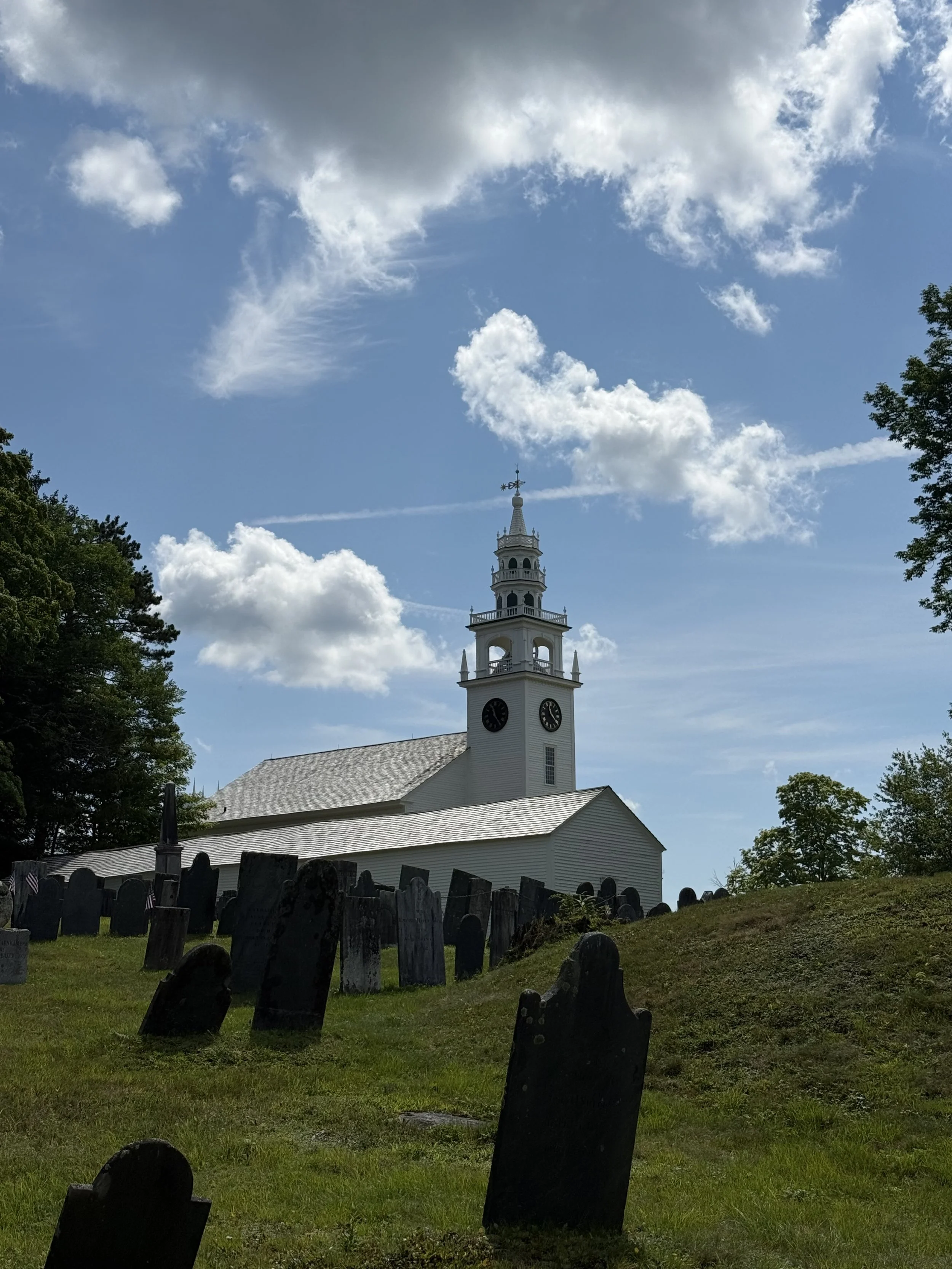
Those who have played golf with me know this is not a card of mine!

Those who have played golf with me know this is not a card of mine!

Sitting at the table, licking my golf wounds, I bemoaned my awful round. I recalled the meltdown on hole 7 and the other on 13. “Look at the scorecard,” my wise friend instructed. Pulling it from my pocket, I saw that surrounding the meltdowns were some good holes, one that was even fantastic. I had forgotten them, distracted by the bad ones.

I seem to do the same thing when thinking about my life. I see the things I’ve done wrong, hear the things I wish I’d never said, and don’t see the good. I know I’m not unique, but my friend helped me remember to look at the scorecard and not trust my recollection of things. It doesn’t take away the bad holes, but it shows there’s more to the round.

The other foursome arrived and one of the players came to the table having just birdied the 18th hole. With enlarged chest and peacock-like strut he told us what an incredible round he’d had. My friend waited patiently for the hot air to rise before telling him to look at the scorecard. When he did, he saw that not all the holes were as good as his last. There were some bad ones, too. 

Like me, he needed to take a closer look. Our minds can tell us lies or exaggerate things, for good or ill. It’s always best to question the truths we hold to be self-evident. We might be surprised by what we find. 
Touching Wounds

Thomas gets a bad rap. Just because he doubted what the other disciples were saying and wanted to see Jesus for himself - to touch his wounds - he’s been known as “Doubting Thomas,” ever since. 

I’ve always liked Thomas. He gave me permission to have doubts of my own. When I look back on my spiritual jouney, I can see that the times I allowed my doubts room to breathe, instead of disguising them with false certainty, have been among the most authentic.

Thomas’ greatest legacy, however, is not his doubts, but the way he came to know the risen Lord, personally. Reaching out his hand, he sought to touch Jesus’ wounds. When he did, he exclaimed, “My Lord and my God.”

I’ve always wanted to know Jesus personally, too. With two thousand years separating us, though, I can’t reach out my hand and touch his wounds. What I’ve found is that when I reach out and touch another’s wound, it’s as if I’ve touched Christ’s wounds, and the result is always a closer relationship with God.

  • When I sit by a bewildered soul who had just entered the rooms of AA and listened to her story that’s hauntingly similar to mine, it as if Jesus has pulled up a seat and joined us.

  • When I walk with a friend who’s going through a divorce, and we share how hard it is to live apart from our children, our common sadness transforms our walk. There’s no burning bush, but the ground becomes holy.

  • When I am working with my therapist and she makes me touch an old wound of mine, one I’ve denied for years or didn’t know existed, I leave feeling God’s presence in ways I never have before.

Thomas came to know God by touching wounds. The good news, we can too.

Click to order

Click to order

If this has been shared with you and you’d like to subscribe to Brushstrokes, you can do so right here.

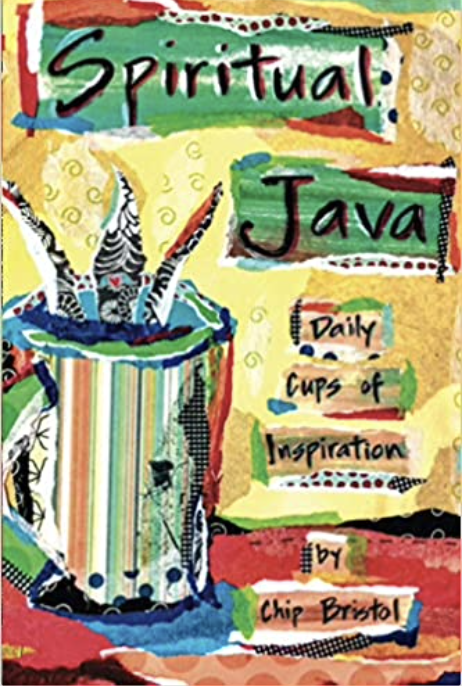
Also, Spiritual Java, a 365-day meditation book, was published in December. It’s available through Amazon.

Tourists

“We run a risk of staleness if we close ourselves off to fresh experience. Each day must remain an exploratory expedition. We must remain tourists on our home terrain.” Julia Cameron

When I lived in New Orleans, friends from near and far would come to visit. With wide eyes they would walk the streets and take in everyone and everything they saw. They listened to jazz as if they’d never heard it before and ate as if each meal was their first. It was fun to watch such tourists suck the marrow out of every moment of their visit. I was reminded of when I first arrived and felt the same way. Over time, however, I grew to take the city for granted. 

The same has been true of many chapters in my life. I enter them with wide eyes and fervent enthusiasm, but, in time, begin to take them for granted. Whether it’s a job, a friend, or a shiny new possession, the same thing happens. My eyes grow dim, my heart becomes complacent, and my soul gets dusty.

Rather than beat myself up over a human tendency I seem to have perfected, I can use my awareness to “awake my soul [and] stretch every nerve,” as the hymn suggests. In other words, I can wake up and become a tourist again. I can open my eyes and see my life as the temporary gift it is. I can perform a job as if I’ve never done it before, look at someone as if we’ve just met, and hold a possession in my hand as if it has just been given to me. 

In 12-step recovery circles, they remind me I’m not a human being having a spiritual experience, I’m a spiritual being having a human experience . . .  and my time is limited. I’m a tourist, after all. I need to make the most of each day of my visit.

“Doesn't everything die at last, and too soon?
Tell me, what is it you plan to do
With your one wild and precious life?” 

Mary Oliver

Click to order…

Click to order…

If this has been shared with you and you’d like to subscribe to Brushstrokes, you can do so right here.

Also, Spiritual Java, a 365-day meditation book, was published in December. It’s available through Amazon.